Aluminium Scaffolding: A Contemporary Solution for Safe and Efficient Construction
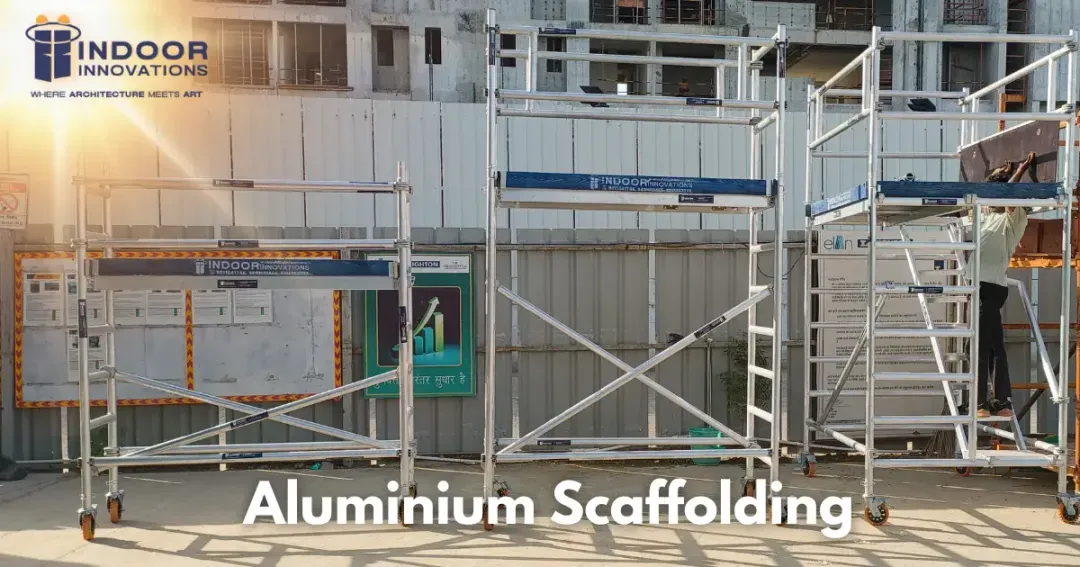
In the modern construction and maintenance landscape, safety, efficiency, and flexibility are crucial. The use of Aluminium Scaffolding has become increasingly popular across various industries due to its lightweight design, durability, and ease of use. Be it housing projects, commercial builds, or industrial upkeep, aluminium scaffolds deliver a stable and reliable working platform at height. As the demand for advanced construction solutions grows, businesses are turning to trusted scaffold manufacturer providers to ensure quality and safety in every project.
What is Aluminium Scaffolding?
Aluminium scaffolding is a temporary structure crafted from high-grade aluminium designed to assist workers and equipment in construction, repair, and maintenance activities. In contrast to traditional steel options, an Aluminium Scaffold offers a lighter build, simplifying movement, setup, and removal.
Such scaffolds feature modular elements that can be rapidly adjusted according to project demands. From simple access towers to complex multi-level platforms, aluminium scaffolding offers versatility for a wide range of applications. Its corrosion-resistant properties also make it suitable for both indoor and outdoor use, ensuring long-term reliability even in challenging environments.
Benefits of Aluminium Scaffolding
One of the key strengths of Aluminium Scaffolding lies in its lightweight design. As a result, handling and setup become faster, minimising labour and improving efficiency on site. Workers can easily move and reposition the scaffold without requiring heavy machinery, which improves overall efficiency.
Another major advantage is durability. Aluminium’s natural resistance to rust and corrosion ensures the scaffold stays robust and stable for extended periods. This makes it an economical choice for contractors and companies needing durable equipment.
Safety remains a crucial consideration. Aluminium scaffolds are designed with secure locking mechanisms, non-slip platforms, and sturdy guardrails. These features help minimise the risk of accidents and create a safer working environment. Reliable scaffolding systems are essential for maintaining productivity while protecting workers at height.
Industry Applications of Aluminium Scaffolding
Aluminium scaffolding’s flexibility makes it suitable for numerous industries. In construction, it is commonly used for building, plastering, painting, and façade work. The flexible design allows it to adapt to projects of diverse scales and heights.
In industrial environments, these scaffolds support maintenance activities like inspections, repairs, and installations. Their lightweight structure allows easy movement within factories, warehouses, and production facilities.
Aluminium Scaffold systems are also commonly utilised in the events sector. From stage setups to lighting installations, these scaffolds provide stable and secure support for technicians working at elevated positions. They are also used for maintenance and cleaning tasks in commercial spaces, malls, and airports.
Why the Right Scaffold Manufacturer is Essential
Selecting a trusted scaffold manufacturer is crucial for ensuring quality, safety, and performance. A reputable manufacturer focuses on using high-grade materials, precise engineering, and strict quality control processes. This guarantees that scaffolding systems comply with industry standards and perform reliably in varied conditions.
Seasoned manufacturers provide multiple designs suited to different project requirements. From mobile towers to folding systems and custom solutions, the correct provider ensures proper equipment selection. Furthermore, expert manufacturers assist with correct handling, setup, and maintenance, ensuring longer service life.
Simple Assembly and Easy Portability
One of the standout features of aluminium scaffolding is its ease of assembly. The modular design allows workers to set up the structure quickly without requiring specialised tools or extensive training. As a result, downtime is reduced and project efficiency improves.
Another major benefit is portability. The lightweight nature of aluminium makes it easy to transport scaffolding from one location to another. It benefits contractors working across various locations who need quick and efficient transport solutions. Modern scaffolding systems enhance workflow and operational performance through convenience.
Durability and Maintenance
Maintaining aluminium scaffolding is relatively simple compared to other materials. As aluminium does not corrode easily, it demands little maintenance and suits long-term usage. Regular inspections and basic cleaning are usually sufficient to keep the scaffolding in good condition.
Choosing premium Aluminium Scaffolding guarantees durability and steady performance. When maintained properly, they can last for years without major deterioration. This makes them a preferred choice for businesses looking to optimise costs while maintaining safety standards.
Environmental Benefits of Aluminium Scaffolding
In addition to performance and durability, aluminium scaffolding is also an environmentally friendly option. As a recyclable material, aluminium can be reused without compromising quality. This helps reduce waste and promotes sustainable building practices.
Aluminium scaffolding reduces environmental impact compared with alternative materials. As industries move towards greener solutions, selecting eco-friendly scaffolding supports responsible construction while maintaining efficiency.
Safety Guidelines for Aluminium Scaffolding
Although aluminium scaffolding is built for safety, correct usage is crucial to reduce risks. Workers should ensure that the scaffold is assembled correctly, with all components securely locked in place. Routine checks are necessary to identify potential issues or damage.
Wearing safety equipment such as helmets, harnesses, and slip-resistant footwear enhances protection. It is also important to follow weight limits and avoid overloading the scaffold. Compliance with safety measures ensures a secure environment and lowers accident risks.
Conclusion
Aluminium scaffolding has significantly improved how construction and maintenance work is performed. Its light structure, strength, and adaptability make it suitable for numerous applications. From improving efficiency to enhancing safety, modern Aluminium Scaffold systems offer significant advantages over traditional alternatives. Selecting a trusted scaffold manufacturer and adhering to safety guidelines ensures efficient operations and lasting Aluminium Scaffolding performance. As the construction industry continues to evolve, aluminium scaffolding remains a trusted and innovative choice for working at height.